
Demystifying Dry Needling: What Is It And How Does It Work?
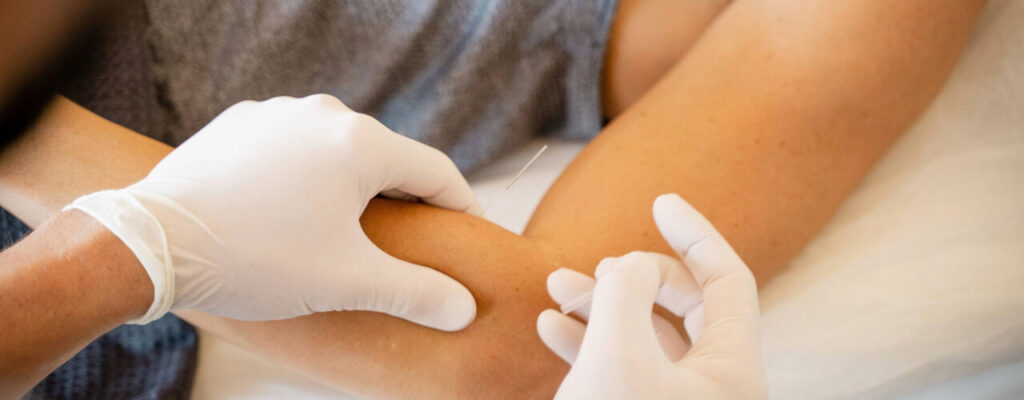
Dry needling is a modern treatment technique that has gained popularity for its effectiveness in managing musculoskeletal pain and enhancing tissue healing. Despite common misconceptions, it is distinct from acupuncture, a traditional Chinese medicine practice. Instead, it is rooted in Western medicine principles and primarily focused on the treatment of muscle pain and myofascial dysfunction. This guide provides a comprehensive overview of dry needling, explaining what it is, how it works, and the benefits it offers to patients.
Interested in exploring dry needling as a treatment option for pain relief? Contact our team at Helio KC Physical Therapy in Overland Park, KS today to learn how it can be integrated into your treatment plan to help you achieve optimal health and mobility.
What Is Dry Needling?
Dry needling involves the insertion of thin, sterile needles into the skin and muscle directly at a myofascial trigger point. A trigger point is a taut band of skeletal muscle associated with a hypersensitive palpable nodule, or “knot.” These knots are often tender, can cause significant pain over a large area, and can lead to limitations in motion.
How Does It Work?
Mechanical Effect
- The needle is inserted into the trigger points, causing favorable mechanical changes that reduce muscle tension and pain.
Neurophysiological Effects
- Dry needling is thought to be able to enhance endorphin release and affect how pain signals are transmitted through nerves, thereby reducing pain perception.
Increased Blood Flow
- The insertion of the needle also increases blood flow to the area, which can help remove metabolic waste and promote healing.
Trigger Point Release
- The goal is to elicit a local twitch response to release muscle tension and pain, effectively deactivating the trigger point to restore normal muscle functions.
How Can Dry Needling Help My Pain?
Dry needling helps to release tight muscles and improve blood flow, providing immediate relief from discomfort. This targeted approach addresses pain and enhances overall mobility, making it easier to move and perform daily activities with less restriction. Whether you’re dealing with chronic pain or recovering from an injury, this technique can be valuable in your pain management and rehabilitation efforts.
Benefits of Dry Needling
Pain Reduction
- Immediate relief from muscular pain and stiffness.
Improved Mobility
- Enhances joint range of motion by reducing muscular tightness.
Accelerated Recovery
- Helps to speed up the recovery process by improving tissue healing.
Decreased Muscle Soreness
- Often decreases soreness in the muscle after treatment.
Common Conditions Treated with Dry Needling
Chronic Back Pain
- Dry needling helps alleviate chronic back pain by relaxing the tight muscle fibers that form around trigger points in the back. By releasing these knots, it can reduce muscle tension and pain.
Neck Pain
- Similar to back pain, needling in the neck targets tight muscles that contribute to discomfort and limited motion.
Tension Headaches and Migraines
- Dry needling can target muscles in the neck and shoulders that may contribute to headaches by triggering referred pain.
Shoulder Impingement
- Dry needling helps release the tight muscles around the shoulder and reduce the mechanical compression of the shoulder structures, such as tendons or bursa. This treatment can improve shoulder mobility and decrease pain, particularly when lifting the arm.
Tennis Elbow
- For conditions like tennis elbow, needling targets the tight forearm muscles pulling on the tendons at the elbow joint. Relieving these tight muscles can reduce elbow pain and restore normal arm function.
Carpal Tunnel Syndrome
- Dry needling can help with the muscles of the forearm and wrist that can compress the median nerve in the carpal tunnel of the wrist. This technique can aid in decreasing pain in the wrist and hand, as well as enhancing hand strength and function.
Knee Osteoarthritis
- By targeting muscles around the knee that have become tight and painful due to osteoarthritis, dry needling can help alleviate stress on the knee joint. Treatment may lead to reduced knee pain and improved ability to perform activities, including walking and climbing stairs.
Plantar Fasciitis
- Dry needling can treat tight and sore muscles in the calf and the bottom of the foot, contributing to plantar fasciitis. It can alleviate foot pain, particularly felt during the first steps after waking up or after long periods of rest.
These targeted interventions can significantly improve pain and function for patients with these common conditions. Each treatment is typically part of a broader physical therapy approach that includes exercises, manual therapy, and patient education to optimize recovery and prevent recurrence.
Get Started Today with Helio KC Physical Therapy!
Dry needling is deemed safe when performed by a trained professional. Common side effects include muscle soreness and minor bruising at the needle site. Less common risks include fainting, fatigue, or bleeding.
If you are considering dry needling for pain relief or to enhance your recovery process, it’s important to seek treatment from a qualified healthcare provider trained in this technique. Our clinic’s certified therapists are experienced and committed to providing safe and effective treatment.
Contact us today to discuss whether this is the right option for you and how it can be integrated into a comprehensive treatment plan to help you return to pain-free living. With our expert care, you can take a significant step towards overcoming musculoskeletal discomfort and improving your overall well-being.